Translate

Showing posts with label Gen Z. Show all posts

Monday, December 01, 2025

Paxton’s Attack on Jolt Echoes a Long History of Silencing Latino Political Power, by Angela Valenzuela, Ph.D.

Paxton’s Attack on Jolt Echoes a Long History of Silencing Latino Political Power

by

Angela Valenzuela, Ph.D.
December 1, 2025

While I do not pretend to know the particulars beyond what has been reported by Nguyen and Klibanoff in the Express-News (2025), the effort by Texas Attorney General Ken Paxton to shut down the Jolt initiative—one of the state’s most effective Latino civic-engagement organizations—most certainly fits into a well-established pattern. It echoes a long Texas history of suppressing Latino political power through intimidation, manufactured crises, and the selective use of state authority.

To truly understand this moment, we must see it in its historical and decolonial context. For well over a century, Texas has deployed legal, political, and bureaucratic tools to police and shrink the political power of Latino communities. From poll taxes, white primaries, English-only ballots to literacy tests, voter purges, and now “election integrity” scare tactics, the state has continuously reengineered the political landscape to maintain racial hierarchy.

Today’s version of that old project further includes gerrymandering—most notably the failed attempt, under pressure from Donald Trump, to draw five new congressional districts designed to dilute rising Latino voting power and secure permanent Republican control. That map was ultimately too extreme even for Texas courts, but the message was unmistakable: Latino political participation is to be contained, not cultivated (Guo, 2025).

Paxton’s attack on Jolt follows the same logic. It stems from a thoroughly debunked 2024 social-media rumor alleging that migrants were being registered to vote at driver’s license offices in North Texas—a claim that local officials, including Republican leaders, dismissed outright. Yet Paxton seized on this fiction to launch an intrusive investigation into groups working primarily with Latino voters.

When his initial efforts faltered in court, Paxton simply pivoted, filing a new lawsuit accusing Jolt of orchestrating an “unlawful voter registration scheme,” despite providing no evidence of noncitizen voting. Instead, he targets the organization for conducting voter registration drives at DMV locations—community hubs where working-class Latinos naturally gather. In a telling distortion of Texas election law, he now frames a volunteer’s explanation of the parent-agent provision as evidence of wrongdoing.

The point is intimidation, not truth.

Taken together, these actions reveal a disturbing theory of democracy: Latino civic participation is inherently suspect, and any infrastructure that supports it must be dismantled. Whether through extreme gerrymanders designed to nullify Latino voting strength, or legal assaults on organizations registering Latino youth, the goal is the same—maintain political power by shrinking the electorate.

A decolonial lens makes this continuity visible. Latino civic organizations like Jolt are not just registering voters; they are challenging a longstanding colonial logic that extracts labor while denying civic belonging. When young Latinos organize, vote, and assert political agency, they interrupt the racial order Texas has spent generations protecting. That is the disruption Paxton is attempting to crush.

And this is not new. Texas officials have repeatedly equated Latino civic engagement with disorder or fraud, from the surveillance of Chicano activists in the late 1960s and early 1970s (Contreras, 2025) to the recent attempt to shut down El Paso’s Annunciation House (see Paxton v. Annunciation House, Inc. 2025). Each episode follows the same pattern: when Latinos build power, the state responds by declaring that power illegitimate.

see Contreras (2025)

Jolt is simply the latest target.

That said, it surely concerns the political establishment that approximately 200,000 Latina and Latino youth in Texas turn 18 every year (as Jolt notes on its webpage). This rising generation of Gen Z voters represents a profound demographic shift—one that makes efforts to suppress Latino civic engagement not only predictable, but deeply revealing of the racialized anxieties driving state power.

The lawsuit against Jolt is not about voter fraud—it is about fear. It is about a political establishment that recognizes the demographic reality of Texas and is scrambling to freeze the electorate in place. It is about denying young Latinos the tools they need to participate in public life. It is, at its core, an attempt to preserve a political order that can no longer command the consent of a changing population.

Texas cannot claim to be a democracy while treating the political participation of its largest communities of color as a threat to be neutralized. Jolt’s resistance is not only a legal fight—it is an act of collective self-determination. It affirms what generations of activists, elders, and organizers before us have insisted: we belong here, our voices matter, and our political engagement strengthens, rather than threatens, the fabric of this state. We need and deserve organizations like Jolt that do the essential work of cultivating young leaders, expanding civic participation, and ensuring that Latino communities can exercise the full rights of citizenship. To defend Jolt is to defend democracy itself.

The struggle for Latino political power in Texas is far from over, but the outcome of this case will say much about who this state believes democracy is for.

Reference

Contreras, R. (2025, January 6). Scoop: CIA releases docs on Latino civil-rights-era surveillanceAxioshttps://www.axios.com/2025/01/06/cia-releases-docs-latino-civil-rights-era-surveillance?utm_source=chatgpt.com

Guo, K. (2025, July 10). As Texas Republicans prepare for mid-decade redistricting, cautionary tales loom from the pastTexas Tribune. https://www.texastribune.org/2025/07/10/texas-redistricting-congressional-districts-past-mistakes-overreach/?utm_source=chatgpt.com

Nguyen, A., & Klibanoff, E. (2025, November 11). Texas Latino civic group sues to block AG Ken Paxton from shutting it down. San Antonio Express-Newshttps://www.expressnews.com/news/article/texas-latino-civic-group-sues-to-block-ag-ken-21163598.php

Paxton v. Annunciation House, Inc., No. 24-0573 (Tex. Sup. Ct. May 30, 2025). https://law.justia.com/cases/texas/supreme-court/2025/24-0573.html


By ,Nov 11, 2025


Jolt Initiative, a nonprofit that aims to increase civic participation among Latinos, is suing Texas Attorney General 
Ken Paxton to block his efforts to shut them down. Paxton announced Monday that he was seeking to revoke the nonprofit’s charter, alleging that the group had orchestrated “a systematic, unlawful voter registration scheme.”

This is not the first legal back-and-forth between Jolt and Paxton’s office. Last year, the organization successfully sued to stop the state’s investigation into their voter registration efforts. In the new suit, Jolt’s lawyers argue Paxton’s efforts to shut them down are retaliation. The attorney general’s office has also in recent years targeted other organizations aiding Latinos and migrants, such as the effort to investigate and shut down El Paso-based Annunciation House.
Tuesday, July 22, 2025

Intergenerational Solidarity with Gen Z for a Better World: We’re Meant for Each Other

Friends,

I wanted to share this article by the editors of Neurolaunch about Generation Z—the young folks born between the mid-1990s and early 2010s—who are really changing the game. Growing up fully immersed in tech, they’ve developed lightning-fast brains, a love for bite-sized content, and a knack for curating their online identities. But this digital fluency also comes with challenges, like anxiety, burnout, and depression.

I do not view the constant pressure to stay connected and “on" as a good thing at all and curating one's identity can come at a serious cost as I've recently blogged (Valenzuela, 2025).

What’s really inspiring, though, is how socially conscious and action-oriented Gen Z is. They’re not just posting about change—they’re organizing, protesting, creating, and redefining what activism, identity, and even success look like. Whether it’s climate justice, mental health, or rethinking traditional education and careers, they’re leading with values, creativity, and a fierce sense of purpose. They’re not just adapting to the future—they’re building it.

That’s why I absolutely abhor the lazy and cynical attacks on Gen Z. Too often, they’re dismissed as soft, distracted, or entitled, when in truth they’re navigating a world far more complex than the one many of us inherited. Rather than criticize them, we should be listening, learning, and supporting their efforts to create a more just and humane world. They deserve our respect—and they’ve more than earned it. 

However, they can’t do it alone. They need us—Boomers, Gen X’ers, Millennials—to stand with them. Each generation brings something vital to the table, and real progress will only come when we work together. 

We don’t just need each other—we are meant for each other. As Dr. Margaret Wheatley (2023) writes in her book Who Do We Choose To Be?, we must come together to co-create “islands of sanity” amidst the chaos. 

These are spaces where compassion, clarity, and meaningful service take root. When we cultivate such spaces—grounded in presence and the power of now—we create the conditions for true intergenerational collaboration. From this space and place, we can help forge life-affirming pathways for our young people, guiding them not just toward careers, but toward purpose, healing, and collective renewal.

-Angela Valenzuela

Reference

Valenzuela, A. (2025, July 21). Gen Z’s sacred discontent: Reclaiming forgotten selves and humanity in a commodified world. [Blog post]. https://texasedequity.blogspot.com/2025/07/gen-zs-sacred-discontent-reclaiming.html

Wheatley, M. J. (2023). Who do we choose to be?: Facing reality, claiming leadership, restoring sanity (2nd ed.). Berrett-Koehler Publishers. https://www.margaretwheatley.com/wp-content/uploads/2023/04/OPENING-Book-Excerpt.pdf


Gen Z Characteristics: Psychological Insights into the Digital Native Generation
September 15, 2024 | Editorial Team


Born into a world of rapid technological advancements and societal shifts, Generation Z emerges as a fascinating enigma, challenging our preconceived notions of youth and reshaping the fabric of our digital age. This cohort, born roughly between the mid-1990s and early 2010s, represents a unique blend of digital savvy, social consciousness, and psychological complexity that sets them apart from previous generations.

As we delve into the intricate tapestry of Gen Z’s psyche, we’ll uncover the forces that have molded their worldview and explore the implications for our collective future. Understanding this generation isn’t just an academic exercise; it’s a crucial step in bridging generational gaps and fostering a more inclusive society.
Digital Natives: The Tech-Savvy Generation

Picture a toddler swiping a magazine, frustrated that the pages won’t respond like a tablet screen. This scene, once a viral video sensation, encapsulates the essence of Generation Z’s relationship with technology. Unlike their predecessors, Gen Z has never known a world without the internet, smartphones, or social media. This digital immersion has profoundly shaped their cognitive development and social interactions.

The impact of technology on Gen Z’s brains is nothing short of revolutionary. Their neural pathways have been wired differently from birth, adapting to process information at lightning speed. This digital psychology has given rise to a generation of expert multi-taskers, capable of juggling multiple screens and streams of information simultaneously.

But here’s the rub: this constant digital stimulation has also affected their attention spans. Gen Z’s ability to quickly filter and process information comes at the cost of sustained focus. They’ve mastered the art of the 8-second filter, rapidly assessing content for relevance before moving on. It’s not that they can’t concentrate; rather, they’ve developed a highly efficient information triage system.

When it comes to communication, Gen Z speaks fluent emoji and prefers bite-sized, visual content. They’ve grown up in a world where thoughts are condensed into 280 characters or less, and entire conversations can be had through memes and GIFs. This preference for quick, visual communication has reshaped how brands and educators engage with this generation.

Social media isn’t just a pastime for Gen Z; it’s an integral part of their identity formation and social interactions. Platforms like Instagram, TikTok, and Snapchat serve as digital playgrounds where they experiment with self-expression and build communities. The social network psychology at play here is complex, influencing everything from self-esteem to political views.
Identity and Self-Expression in Gen Z

If there’s one thing that defines Gen Z, it’s their fluid approach to identity. Gone are the days of rigid categorizations; this generation embraces a spectrum of identities that can shift and evolve over time. They view gender, sexuality, and even career paths as flexible constructs rather than fixed labels.

This fluidity extends to their sense of self. Gen Z is on a constant journey of self-discovery, unafraid to explore different facets of their personality. They’re the generation that coined terms like “finsta” (fake Instagram) to separate their public persona from their more authentic, private self.

In the digital realm, personal branding isn’t just for influencers; it’s a way of life for Gen Z. They curate their online presence with the precision of a museum curator, carefully selecting which aspects of themselves to showcase. This emphasis on individuality can be both empowering and exhausting, as the pressure to stand out in a sea of content creators is relentless.

The impact of social media on Gen Z’s self-perception is a double-edged sword. On one hand, it provides platforms for self-expression and community-building. On the other, it can fuel comparison and anxiety. The psychological effects of social media on youth are profound, influencing everything from body image to career aspirations.
Mental Health and Well-being

Let’s talk about the elephant in the room: mental health. Gen Z has been dubbed the “anxious generation,” with higher rates of anxiety and depression than previous cohorts. But here’s the twist – they’re also the most open about discussing mental health issues.

The prevalence of anxiety and depression among Gen Z is alarming, but not entirely surprising given the world they’ve inherited. They’ve grown up in the shadow of global terrorism, economic uncertainty, and now, a global pandemic. Add to this the constant pressure of social media and academic competition, and you’ve got a perfect storm for mental health challenges.

But what factors are really driving this mental health crisis? It’s a complex interplay of societal pressures, digital overload, and perhaps even generational trauma. The constant connectivity of the digital age means Gen Z never truly “switches off,” leading to burnout and anxiety.

Here’s where Gen Z flips the script: they’re not just suffering in silence. This generation has spearheaded a mental health revolution, breaking down stigmas and advocating for better support systems. They approach mental health with a refreshing openness, viewing therapy and self-care not as luxuries, but as essential components of overall well-being.

From mindfulness apps to online therapy platforms, Gen Z is leveraging technology to address mental health concerns. They’re also redefining self-care, moving beyond bubble baths and face masks to encompass financial wellness, boundary-setting, and digital detoxes.
Social Values and Activism

If you thought Gen Z was all about selfies and TikTok dances, think again. This generation is proving to be one of the most socially conscious and politically engaged in recent history. Their commitment to social justice and equality isn’t just talk; it’s action-oriented and deeply ingrained in their worldview.

Gen Z’s approach to activism is a fascinating blend of online and offline engagement. They’ve mastered the art of hashtag activism, using social media to amplify causes and mobilize support. But they’re not just keyboard warriors; Gen Z shows up at protests, organizes boycotts, and uses their purchasing power to support brands that align with their values.

Environmental consciousness is more than a trend for Gen Z; it’s a way of life. Growing up in the era of climate change, they’ve embraced sustainability with a fervor that puts previous generations to shame. From zero-waste lifestyles to supporting eco-friendly brands, Gen Z is walking the talk when it comes to environmental stewardship.

Political engagement among Gen Z defies traditional party lines. They’re more likely to align with specific issues rather than political parties, and they’re not afraid to call out hypocrisy on both sides of the aisle. Their digital activism has reshaped political discourse, forcing politicians and brands alike to reckon with a generation that demands authenticity and action.
Learning and Career Aspirations

When it comes to education and careers, Gen Z is rewriting the rulebook. Traditional classroom settings? Boring. Nine-to-five jobs? No thanks. This generation craves experiential learning and values skills over degrees.

Gen Z’s preference for self-directed learning has given rise to a boom in online courses, coding bootcamps, and YouTube tutorials. They’re not waiting for institutions to catch up; they’re taking their education into their own hands. This DIY approach to learning reflects their entrepreneurial spirit and desire for practical, applicable knowledge.

Speaking of entrepreneurship, Gen Z is all about that hustle culture. They’ve grown up watching YouTubers and Instagram influencers turn hobbies into lucrative careers, and they’re eager to carve out their own niches. The gig economy isn’t just a stopgap for Gen Z; it’s a lifestyle choice that aligns with their desire for flexibility and autonomy.

Work-life balance isn’t just a buzzword for Gen Z; it’s a non-negotiable. Having witnessed the burnout of previous generations, they’re adamant about maintaining boundaries between work and personal life. They seek out employers who offer flexible schedules, remote work options, and a culture that values mental health.
The Future Through Gen Z’s Eyes

As we look to the future, it’s clear that Gen Z will continue to reshape our world in profound ways. Their unique blend of digital savvy, social consciousness, and psychological resilience positions them to tackle global challenges with innovative solutions.

The implications of Gen Z’s characteristics ripple across various sectors. In education, we’re likely to see a shift towards more personalized, technology-driven learning experiences. Workplaces will need to adapt to accommodate Gen Z’s desire for purpose-driven work and flexible arrangements. And in the realm of mental health, we can expect continued destigmatization and integration of wellness practices into daily life.

But let’s not paint Gen Z with too broad a brush. Like any generation, they’re a diverse group with individual experiences shaped by factors like genotype, culture, and socioeconomic background. Understanding the nuances of generational psychology is crucial to avoiding stereotypes and fostering intergenerational understanding.

As Gen Z enters their 20s, a period of significant psychological development, they’ll face unique challenges and opportunities. The psychology of your 20s is a fascinating field of study, and Gen Z’s experience of this pivotal decade will undoubtedly be shaped by the unprecedented times we’re living in.

Looking ahead, it’s worth considering how Gen Z will interact with and influence the generation that follows them. The emerging Generation Alpha psychology is already being shaped by Gen Z’s values and digital fluency. As these two generations come of age, we can expect to see further acceleration of technological and social change.

In conclusion, Generation Z stands at the forefront of a rapidly evolving digital landscape, armed with a unique psychological toolkit shaped by technology, social consciousness, and global connectivity. Their fluid identities, digital fluency, and commitment to social justice are reshaping our world in real-time. As we navigate the complexities of the modern age, understanding the Gen Z psychology isn’t just beneficial – it’s essential for building a more inclusive, innovative, and resilient future.

The journey of Generation Z is still unfolding, and their story is far from complete. As they continue to grow, learn, and lead, one thing is certain: the impact of this generation will be felt for decades to come. In the ever-evolving landscape of internet psychology, Gen Z isn’t just adapting; they’re actively shaping the digital world of tomorrow. Their legacy will be one of innovation, inclusivity, and a relentless pursuit of a better world – not just for themselves, but for generations to come.

References


1.Twenge, J. M. (2017). iGen: Why Today’s Super-Connected Kids Are Growing Up Less Rebellious, More Tolerant, Less Happy–and Completely Unprepared for Adulthood–and What That Means for the Rest of Us. Atria Books.

2.Turner, A. (2015). Generation Z: Technology and Social Interest. Journal of Individual Psychology, 71(2), 103-113.

3.Seemiller, C., & Grace, M. (2019). Generation Z: A Century in the Making. Routledge.

4.Dimock, M. (2019). Defining generations: Where Millennials end and Generation Z begins. Pew Research Center. https://www.pewresearch.org/fact-tank/2019/01/17/where-millennials-end-and-generation-z-begins/

5.Francis, T., & Hoefel, F. (2018). ‘True Gen’: Generation Z and its implications for companies. McKinsey & Company. https://www.mckinsey.com/industries/consumer-packaged-goods/our-insights/true-gen-generation-z-and-its-implications-for-companies

6.Deloitte. (2021). The Deloitte Global 2021 Millennial and Gen Z Survey. Deloitte Insights. https://www2.deloitte.com/global/en/pages/about-deloitte/articles/millennialsurvey.html

7.American Psychological Association. (2018). Stress in America: Generation Z. APA. https://www.apa.org/news/press/releases/stress/2018/stress-gen-z.pdf

8.Parker, K., & Igielnik, R. (2020). On the Cusp of Adulthood and Facing an Uncertain Future: What We Know About Gen Z So Far. Pew Research Center. https://www.pewsocialtrends.org/essay/on-the-cusp-of-adulthood-and-facing-an-uncertain-future-what-we-know-about-gen-z-so-far/

9.Schwieger, D., & Ladwig, C. (2018). Reaching and Retaining the Next Generation: Adapting to the Expectations of Gen Z in the Classroom. Information Systems Education Journal, 16(3), 45-54.

10.Fry, R., & Parker, K. (2018). Early Benchmarks Show ‘Post-Millennials’ on Track to Be Most Diverse, Best-Educated Generation Yet. Pew Research Center. https://www.pewsocialtrends.org/2018/11/15/early-benchmarks-show-post-millennials-on-track-to-be-most-diverse-best-educated-generation-yet/


How the Pandemic Impacted Gen Z’s Soft Skills

 Friends:

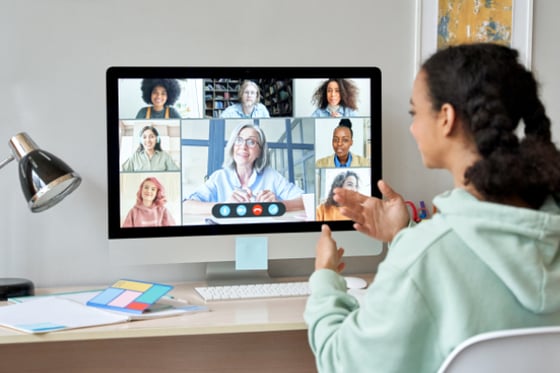
The pandemic really shook things up for Gen Z, especially when it comes to developing those all-important soft skills. Even though this generation is super comfortable with technology and cares deeply about diversity and purpose, the shift to remote learning made it harder for them to practice things like networking, negotiating, and speaking confidently in front of others. Plus, all the stress and uncertainty didn’t make it any easier.

I’ve always thought of Ethnic Studies as a powerful way to promote these soft skills. Ethnic Studies classrooms don’t just teach history and culture—they create spaces for critical dialogue, empathy, and self-reflection. Students learn to listen across difference, engage in difficult conversations, and build community—all essential skills for navigating today’s diverse workplaces and society. These courses encourage students to develop confidence in expressing their identities and experiences, while also fostering collaboration and social awareness. In many ways, Ethnic Studies equips young people with the interpersonal and leadership skills that traditional schooling and articles like these often overlook.

A science of leadership that doesn’t take into account the full diversity of experiences—including race, ethnicity, gender, and other identities—is incomplete and risks missing the very complexities that shape effective leadership and workforce development. Without embracing this nuance, leadership strategies run the danger of being one-size-fits-all solutions that fail to meet the real needs of diverse teams, especially emerging generations like Gen Z.

Here is some good news: Gen Z appears to have a pretty good sense of where they need to grow, and they’re ready to put in the work—especially when they have mentors and supportive leaders around themFor companies trying to bring in and keep Gen Z talent, it’s not enough to just offer a paycheck. They need managers who listen, encourage, and help build those skills. When that happens, Gen Z can really thrive and help shape a better workplace for everyone.

That said, a big problem with a lot of this literature—especially articles written for popular audiences—is that it often misses the deeper, more textured realities of Gen Z’s experiences by race, ethnicity, gender, urbanity, sexual orientation, and so on. Without those perspectives, we risk oversimplifying or missing important challenges and strengths that shape how different groups within Gen Z navigate the world. That lack of nuance makes me cautious about relying too heavily on generalizations and reminds me how important it is to listen closely to diverse voices.

-Angela Valenzuela


How the Pandemic Impacted Gen Z’s Soft Skills

Published by The National Society of Leadership and Success February 15, 2022How the Pandemic Impacted Gen Z's Soft Skilss | The Science of Leadership from the NSLS

As Gen Z begins to enter the workforce, organizations are scrambling to understand how to attract and retain them.

Many organizations focus on the common facts that everyone seems to talk about, such as how Gen Z is the first digitally native generation, that they value diversity and inclusion more than ever, and aim to work for companies that share their beliefs.

While those aspects are important, an even bigger issue is not getting enough attention: How the pandemic has impacted their skills development.

In this week’s edition of The Science of Leadership, we look at how COVID-19 has impacted Gen Z’s development and what organizations can do to make sure they succeed.

Editor’s Note: It’s important to note that even great studies into generations can lump a large group of individuals together and paint them in the same light. While this is okay for identifying broad trends, remember that not everyone in a given generation is the same.

TSOL-GenZSoftSkills-Support-Education in the Time of COVID

Education in the Time of COVID

Before we jump into development, we must first look into Gen Z and education. 

The pandemic has loomed over the heads of Gen Z as they go through some of the most transformational times in their lives. One of the largest areas impacted is education (high school and higher ed). Specifically, the shift from in-person to virtual learning. 

Even though Gen Z is known for their technological prowess, remote learning hasn’t been kind. According to a study by The Associated Press-NORC Center for Public Affairs Research (AP-NORC), 65 percent of Gen Z participants said that education was extremely important to their identities.

“The pandemic is taking a toll on their education and career goals. 46 percent feel that the pandemic has made pursuing their educational or career goals more difficult. Fewer Millennials (36 percent) or Gen X (31 percent) share that concern.”

The study also found that 55 percent said having fun is difficult, 46 percent said being happy is difficult, and 45 percent said maintaining relationships is difficult. 

This paints a picture of an extremely stressed-out generation struggling to achieve educational goals, which are highly valuable to them.

These findings were also backed up by a study, The Impact of COVID-19 and Gen Z Looking Ahead, from Mt. San Jacinto College. They found that:

  • 44 percent of Gen Z will likely change their education plans because of COVID 
  • 40 percent are reconsidering where they’ll go to college
  • 34 percent are less likely to enroll in the next semester

In short, education is a pain point for this generation. Adapting to fully remote learning has distanced them from the things they enjoy about school while also making it harder for them to actually learn.

Gen Z and Skill Competencies

Gen Z has been short-changed when it comes to developing the skills necessary to land a job and thrive in a role or career. According to a study by The Workforce Institute, Gen Z is well aware of this, finding that 51 percent of participants believe that education systems haven’t helped them prepare for work.

The study entitled, Meet Gen Z, surveyed over 3,000 across 11 countries to better understand their skill competencies.

The team separated the data they collected into two groups. The first is what Gen Z feels prepared to do in the workplace and the other is what they feel they aren’t prepared to do.

TSOL-GenZSoftSkills-Support-Skills That Gen Z Feels Prepared For-B

Skills That Gen Z Feels Prepared For

In the first group, the results suggest that Gen Z is ready to complete basic workplace tasks. They discovered that:

  • 67 percent said they’re prepared to show up to work on time
  • 57 percent said they’re prepared to work on a team and complete tasks on deadline
  • 56 percent said they’re prepared to work with customers

The team reports that these skills are developed mainly from prior work experience, which makes a lot of sense given that Gen Z is just now just entering the workforce. After all, these skills are the basic requirements for many entry-level roles.

Skills That Gen Z Feels Unprepared For

The list of skills Gen Z feels unprepared for is larger. According to the team, these skills include:

  • Negotiating (26 percent)
  • Networking (24 percent)
  • Speaking confidently in front of crowds (24 percent)
  • Working long hours (24 percent) 

“One in five also feel their education hasn’t adequately prepared them to resolve work conflicts or be managed by another person,” reports The Workforce Institute.

“Entering the workforce directly out of high school or college, a third of Gen Z is concerned that lack of professional connections or experience may negatively impact performance or success at work.”

These results suggest one thing: Due to the pandemic, Gen Z’s may lack the soft skills required for the modern workforce.

The Formation of a Soft-Skill Gap

The semi-good news is that Gen Z is aware of this. 

“A recent Tallo survey of over 2,400 Gen Z students, 92 percent reported that they are able to confidently identify which soft skills they have. What’s more, they know that soft skills are critical to their success in the workplace,” reports Casey Welch from ElearningInside News.

With the knowledge that they have a skills gap, they can start developing their soft skills to set themselves up for success.

This sentiment is backed up by more data from the Tallo survey, which found that, “A willingness to try new things also appears to be one of Gen Z’s strengths, as ‘stepping outside of your comfort zone’ was selected as the best way to develop soft skills. That response was followed by being open to feedback and communicating often.”

So, how can organizations create environments where Gen Z can thrive despite potentially having underdeveloped soft skills?

NSLS Leadership Insights

The fact that this generation has the self-awareness to understand they have a soft-skills gap, plus the fact they also have the willingness to address them, makes leadership more crucial than ever.

Leading Gen Z will require care and attention from managers who will play a prominent role in aiding the generation’s development. Gen Z knows this as well, listing management as a top concern when looking for work in many studies.

For example, The Workforce Institute survey found that, “Nearly a third of Gen Z is motivated to work harder and stay longer at a company if they have a supportive manager, and 29 percent believe having a poor manager would get in the way of their performance. In fact, 37 percent would never tolerate an unsupportive manager.”

At The National Society of Leadership and Success (NSLS), we firmly believe that leadership makes all the difference for all generations; however, it’s particularly important for Gen Z as they progress into the start of their careers. 

“Gen Z values ethical servant leadership that supports them and helps them develop their skills,” said NSLS President and CEO Neil Khaund, in a recent article. “Leading through empowerment allows Gen Z to develop their skill sets while building trust along the way. By doing so, organizations prepare Gen Z for success and they also create a culture of learning that can benefit the overall company.”

Key Takeaway

The pandemic has made a significant impact on Gen Z in a multitude of ways, specifically when it comes to soft-skill development. This doesn’t mean that Gen Z has no options. They’re ready and willing to learn and work hard to develop their skills as long as leaders are there to help guide them. The organizations that will win over Gen Z talent will lead with care and dignity, putting development and support at the forefront.

The Science of Leadership connects cutting-edge leadership research to the real world.

Ready to dig deeper? Read The Workforce Institute's full report here, and Tallo’s survey here

Want to brush up on your servant leadership skills to better lead Gen Z? Check out our full guide.

Have a burning question about any of the topics we’ve covered? Email us at blog@nsls.org. We’d love to hear from you.