Translate

Showing posts with label Texas demographics. Show all posts

Monday, July 03, 2023

Hispanics now the largest racial group in Texas — but not in Austin, by Ryan Maxin, Austin American-Statesman

You wake up one day—today—and discover that Texas demographics have shifted and they'll never go back to what they were. For some, this has been a long-awaited moment. For others, it instills fear and trepidation. And still yet others, a bit anticlimactic, myself included. I somehow thought that this shift had already happened.

In any case, I most appreciate UT Professor Jacqueline Angel's take on the matter with her excellent, and I think, abundantly true comment herein that "Latinos are leading the charge to allay fears by demonstrating the positive benefits of a multicultural society." Indeed, Latinos—like Blacks and other groups—have such a long history of demonstrating the value that we add to society through our many contributions to it.

And these dynamics will continue despite inertia, extremist politics, and forces of exclusion. After all, Latinas/os are not only internally interracial and otherwise highly diverse along axes of language use and preference, generational status (especially immigrant/non-immigrant), levels of acculturation, religion, political party affiliation, gender expression and sexual orientation, and so on, but the vast majority are from this continent and thusly always home. This despite stereotypes, prejudice, discrimination, and policy agendas that frequently cast them as "other," "outsider," and "inferior." 

Latinas/os have such an incredibly long history of being hybrid and negotiating the complexities of this hybridity—not just in the U.S., but Mexico, too, from where I have just returned. 

We continually encounter this complexity of difference in the intimate spheres of our families and communities, too. I'm not saying this is easy. That would be a mischaracterization. Rather, it's the substance of life and we're all the better for it when we engage, rather than fear or oppose it. 

Instead of building walls, we should be building bridges across these multifaceted dimensions of difference that make life interesting and fulfilling.
The potentially lost opportunity here is that to which Dr. Angel refers, that is, the revitalization of a strong value for diversity for a state and country that need grounding and centering in these very ways.

-Angela Valenzuela

Hispanics now the largest racial group in Texas — but not in Austin

The shift has been on the horizon for decades as Texas' populations diversify

Ryan Maxin
Austin American-Statesman

July 3, 2023 | Austin American-Statesman

Hispanics have become the largest racial demographic group in Texas, new estimates from the U.S. Census Bureau show, capping years of population shifts and providing a potential blueprint for the U.S. as it tracks toward becoming majority-minority.

In July 2022, Latinos made up 40.2% of the state's population, according to estimates, while non-Hispanic white people accounted for 39.8%. It's the first time since the mid-1800s that non-Hispanic white Texans don't compose the largest population in the state.

The shift isn't a surprise. For decades, the share of nonwhite or mixed-race Texans has grown due to immigration, interracial marriage and more people identifying with their ancestral ethnicities. In 2004, the population of non-Hispanic white people dropped below 50% for the first time in almost two centuries.

Considering those factors and Texas' large border with Mexico, the milestone isn't much of a stand-alone achievement, said state Sen. José Menéndez, D-San Antonio. Of more significance, he said, is the potential influence that Latinos' growing population could have.

"The Hispanic population has had an influence on our food, on our culture, on our music, on our literature, on our art, on so many things, and that's wonderful," Menéndez said. "But I think where we should strive to have a bigger impact is ... what can we do to help them achieve higher numbers, proportional numbers in higher education and academia and leadership positions?"

Menéndez, who also chairs the Texas Senate Hispanic Caucus, said the numbers of Latinos across the state are not properly represented in government leadership at all levels. Hispanic populations are diverse within themselves, and Latinos subscribe to various political and ideological beliefs.

He said Texas should model itself after states he believes have done well in electing officials who are representative of the population, like California and Florida.

White population remains largest in Austin, Travis County

The white non-Hispanic population in Austin and Travis County remains the largest racial bloc, according to July 2022 estimates, though both have higher concentrations of Latinos than the U.S. overall.

Census figures show Austin's non-Hispanic white population is 47.8% of the city's people, while its Hispanic population makes up 33.1%. Travis County's data are similar; non-Hispanic white people account for 58.9% of the county, whereas Hispanics make up 19.1%.


Brittney Rodriguez, chief operating officer of the Greater Austin Hispanic Chamber of Commerce, said a variety of reasons contribute to the disparity between Austin and the state. As the cost of living in the city rises, Latino residents are being priced out of places they've long lived, she said, and minority-owned businesses are closing at higher rates, leading minority entrepreneurs to relocate.

Austin breaks into top 10 list of largest U.S. cities.See how other Texas cities ranked.

Latinos face substantial barriers in health care and education, Rodriguez added. In Austin, Latinos tend to rely heavily on public transportation, meaning they wake up earlier in the morning for work and arrive home later in the evening.

"I think those are the areas that we've got to be much more conscientious of safeguarding to ensure that the city that we love is kept intact, and the parts of the city that we love are safeguarded for future generations to also enjoy. It's what makes Austin so great," Rodriguez said.

In 2019, the median income for Hispanic households in Travis County was 2.3 times less than that of white households, according to the 2022 community health assessment for Austin and the county. The assessment also found that Latinos were most likely not to have graduated from high school compared with other racial groups.

Several recent legislative and political actions have taken aim at the intersection of education and race that could affect marginalized groups' access to higher education. Texas lawmakers recently passed Senate Bill 17, which prohibits public colleges and universities in the state from maintaining or establishing diversity, equity and inclusion offices and from requiring anyone to provide DEI statements or participate in DEI training starting in 2024.

Texas legislative regular session ends.What higher education bills passed?

On Thursday, the U.S. Supreme Court issued a ruling prohibiting the consideration of race in public and private college admissions nationwide, essentially overturning affirmative action initiatives. The move is expected to affect thousands of students applying for colleges and universities in Texas.

Challenges to Latinos detrimentally affect other populations, experts say

Financial and representative deficiencies faced by Latinos have the potential to translate to widespread issues across populations, said Jacqueline Angel, a University of Texas professor of public affairs and sociology. She asserted that those who express apathy toward challenges affecting other populations will probably experience the pitfalls of those challenges, too.

"A healthier state is a more productive state, and we know that if one doesn't have access to affordable health care, as well as available health care, then that's not going to be possible," Angel said. "We need a healthy nation. We need a healthy state. We need healthy communities that bring everyone together, not tear them apart."

What this means for Texas colleges.U.S. Supreme Court overturns affirmative action.

Angel said people tend to fear those who are different from themselves, but Latinos are leading the charge to allay fears by demonstrating the positive benefits of a multicultural society. Rodriguez cited the role Latinos take in society as proof of those benefits.

"These men and women are an integral part of your, mine and everyone else's day-to-day," Rodriguez said. "From the food on your table to the roadways you drive on, these are the folks who are contributing so much work and making it possible."

Sunday, October 23, 2022

Two-thirds of board members overseeing Texas public universities are Abbott donors. They’re not shy about wielding influence.

This is as good a piece as I've read on the money in higher education in Texas. Big donors get invited to exclusive parties and football games and are potential appointees to governing board. A prevailing issue is a lack of diversity on higher education board in Texas even as universities themselves are diversifying.

-Angela Valenzuela

TEXAS 2022 ELECTIONS

Two-thirds of board members overseeing Texas public universities are Abbott donors. They’re not shy about wielding influence.

High-money donors are concentrated on larger boards, including those of the University of Texas System and Texas A&M University System.


Wednesday, August 17, 2022

IDRA Testimony before the SBOE on Texas' Censorship, Cancel Culture, "Anti-CRT" Bills, by Dr. Chloe Sikes

Learn here from research conducted at the Intercultural Development Research Association (IDRA) by Dr. Chloe Sikes and her colleagues about the broader impacts of Texas' "anti-CRT" bills, House Bill 3979 and Senate Bill 3, as well as on ensuing book bans. Critical Race Theory, as we know, isn't actually taught in schools, so it's Ethnic Studies, as well as Women and Gender Studies and anything critical, that are the targets of this legislation.

HB 3979 and SB 3 have created a chilling effect, contributing, along with other factors like low teacher salaries and poor working conditions, to exacerbate Texas' epoch-making teacher shortage that lay the groundwork for vouchers and other privatization schemes that are sure to rear their ugly heads in the coming legislative session beginning in January, 2023.

Though predictable, it's sad to read about their impacts on educators’ and students' morale and sense of safety and security. Geez what kind of country are we living in when police interrogate educators on the books that they're reading? 

Plus, how ironic this censorship agenda for a party that decries "cancel  culture!"

As I've been calling out on this blog, this is the rolling out of the fascist, white supremacist, neoliberal state that seeks to disempower our predominantly minority K-12 student population. 

According to 2020-21 state-level data, Hispanic students are the largest group at 52.9% and African American students at 12.7%, such that our schools are overwhelmingly comprised of students of color (65.6 %). The White student population follows at 26.5%, with Asian and multiracial students accounting for the remainder at 4.7% and 2.7%, respectively (Texas Education Agency, 2021).

In this demographic context, it's logical to conclude that HB 3979 and SB 3 are the "racial codes," or Jim Crow laws of today. These are intentionally designed to limit what our minoritized student population can accomplish lest they become empowered and argue for their rights—which is exactly what they should be doing. 

These actions are clearly a reaction to the successes we have had in Ethnic Studies policy that in some instances, have resulted in the cancellation of such courses in schools throughout the state.

Let's vote this administration out of power and let's work toward repealing these bills in the next Texas legislative session. Let's also protect Academic Freedom in higher education, the next battle ground for this kind of cancel culture policy.

Great work, Dr. Sikes and IDRA! Andan asustados. They're scared. We're going to win this. After all, in so many ways, we already have.

Sí se puede! Yes we can!

-Angela Valenzuela


Recent State Policy on Curriculum Leads to Classroom Censorship in Schools 

IDRA Testimony on Interim Charge to Monitor State Policy on Curriculum and Instructional Materials Used in Public Schools, Re: HB 3979 (87R) and SB 3 (87, 2) 


Submitted to the Texas House Public Education Committee, July 26, 2022 


For questions or more information, please contact Chloe Latham Sikes, Ph.D.

IDRA Deputy Director of Policy, at chloe.sikes@idra.org. 


IDRA is an independent, non-partisan education non-profit committed to achieving equal educational opportunity for every child through strong public schools that prepare all students to access and succeed in college. We submit this testimony for your consideration on the implementation to date of HB 3979 (87R) and SB 3 (87, 2), otherwise known as Texas’ classroom censorship policies, and their negative impacts on Texas students, educators and schools. Although SB 3 largely replaced HB 3979, they collectively impacted the last school year as documented by this interim testimony. 


Monday, August 30, 2021

Key facts about U.S. Latinos for National Hispanic Heritage Month

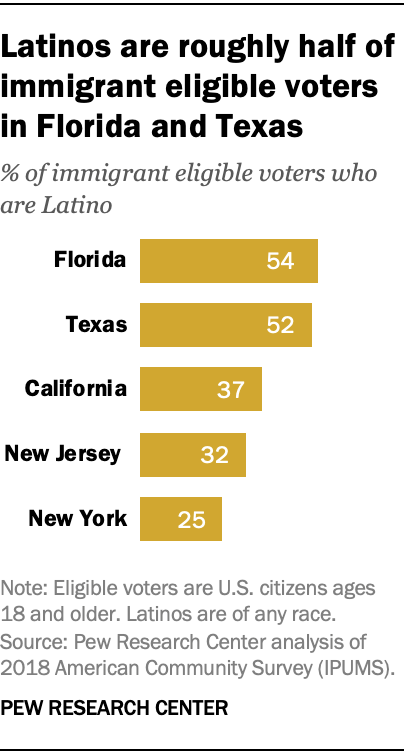
Interesting 2020 data out of the Pew Research Center on U.S. Latinos. It notes the diversity of the population, lower rates of migration since 2010, and Mexican-origin people represent 61.9 percent of the Latino population, a group that shares with California Latinos the greatest numbers of people who are eligible to vote. When naturalized citizens are parsed out, "Florida and Texas are home to the highest shares of Latinos among immigrant eligible voters."

See my earlier, equally-informative post specific to analyses of the 2020 U.S. Census titled, "Census 2020: More Than 1 in 2 People Added to U.S. Population Are Latino by Rogelio Sáenz, Ph.D." to get a more complete picture.

-Angela Valenzuela


SEPTEMBER 10, 2020

Key facts about U.S. Latinos for National Hispanic Heritage Month

National Hispanic Heritage Month, which begins each year on Sept. 15, celebrates U.S. Latinos, their culture and their history. Started in 1968 by Congress as Hispanic Heritage Week, it was expanded to a month in 1988. The celebration begins in the middle rather than the start of September because it coincides with national independence days in several Latin American countries: Guatemala, Honduras, El Salvador, Nicaragua and Costa Rica celebrate theirs on Sept. 15, followed by Mexico on Sept. 16, Chile on Sept. 18 and Belize on Sept 21.

Here are some key facts about the nation’s Latino population by age, geography and origin groups.

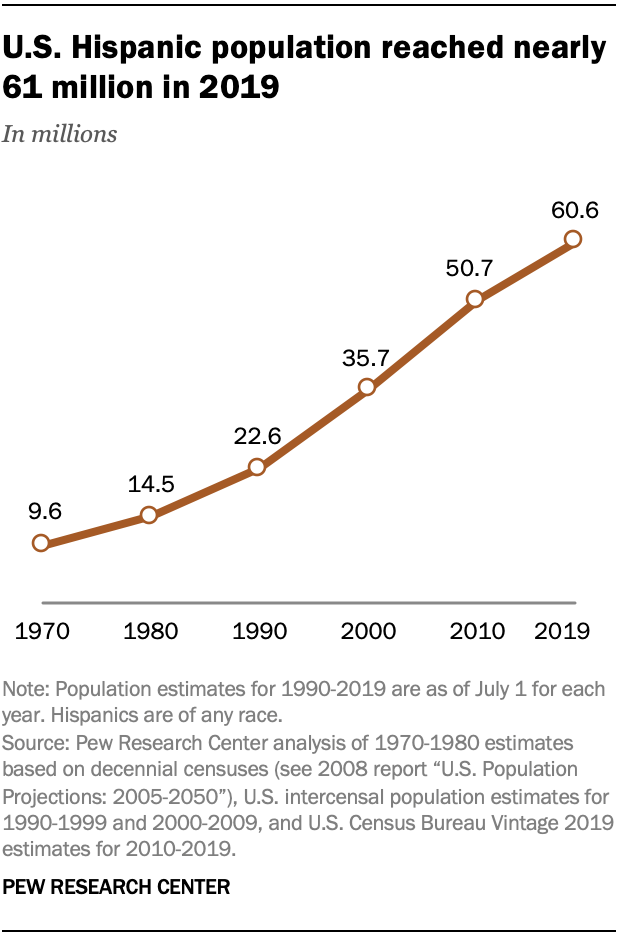
U.S. Hispanic population reached nearly 61 million in 2019

The U.S. Hispanic population reached 60.6 million in 2019, up from 50.7 million in 2010. This makes Hispanics the nation’s second-fastest-growing racial or ethnic group after Asian Americans. Hispanics made up 18% of the U.S. population in 2019, up from 16% in 2010 and just 5% in 1970.

The share of U.S. Hispanics with college experience has increased since 2010. About 41% of U.S. Hispanic adults ages 25 and older had at least some college experience in 2018, up from 36% in 2010. The share who have a bachelor’s degree or more education also increased during this period, from 13% to 17%.

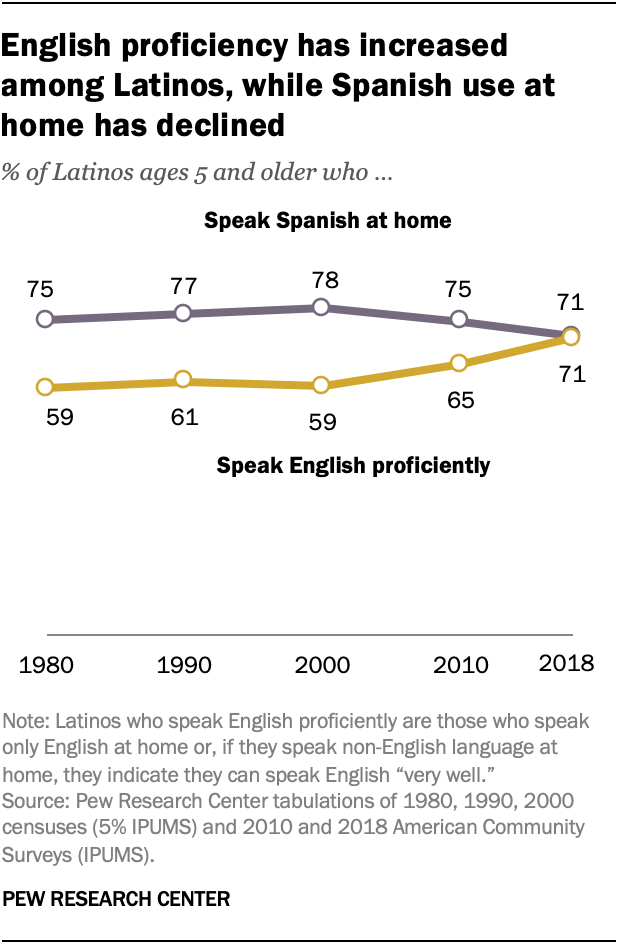
The share of Latinos in the U.S. who speak English proficiently is growing. In 2018, 71% of Latinos ages 5 and older spoke English proficiently, up from 59% in 2000. U.S.-born Latinos are driving this growth, as their share on this measure has grown from 81% to 90% during this time. By comparison, 37% of Latino immigrants spoke English proficiently in 2018, a percentage that has increased only slightly since 1980.

English proficiency has increased among Latinos, while Spanish use at home has declined
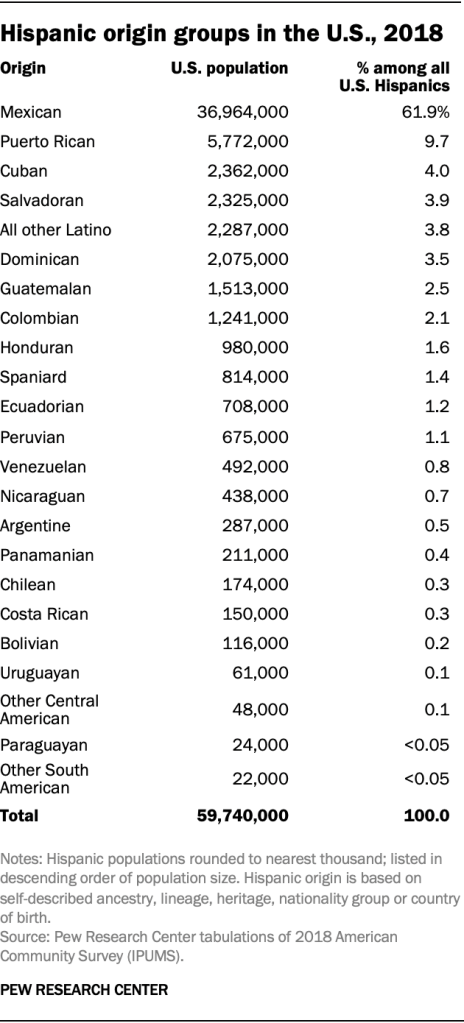
Hispanic origin groups in the U.S., 2018

People of Mexican origin account for slightly over 60% (37 million) of the nation’s overall Hispanic population as of 2018. Those of Puerto Rican origin are the next largest group, at 5.8 million (another 3.2 million live on the island); their numbers have been growing partly due to an increase in net migration from Puerto Rico to the 50 states and the District of Columbia. Six other Hispanic origin groups in the U.S. have roughly 1 million or more people each: Cubans, Salvadorans, Dominicans, Guatemalans, Colombians and Hondurans.

The fastest population growth among U.S. Latinos has come among those with origins in Venezuela, the Dominican Republic, Guatemala and Honduras. From 2010 to 2018, the Venezuelan population in the U.S. increased 106% to 492,000, by far the fastest growth rate. Dominicans and Guatemalans each saw increases of 37%, followed by a 34% increase among the Honduran population. Puerto Ricans, the second-largest origin group overall, saw their population jump by 23%, to 5.8 million in 2018.

By contrast, the number of people of Mexican origin grew by only 12% from 2010 to 2018, among the lowest growth rates in the top 10 origin groups. At 6%, the Ecuadorian population saw the slowest growth rate.

Four in-five Latinos are U.S. citizens. As of 2018, about 80% of Latinos living in the country are U.S. citizens, up from 74% in 2010. This includes people born in the U.S. and its territories (including Puerto Rico), people born abroad to American parents and immigrants who have become naturalized citizens. Among the origin groups, virtually all Puerto Ricans are U.S. citizens. Spaniards (91%), Panamanians (89%) and Mexicans (80%) have some of the highest citizenship rates, while Hondurans (53%) and Venezuelans (51%) have the lowest rates.

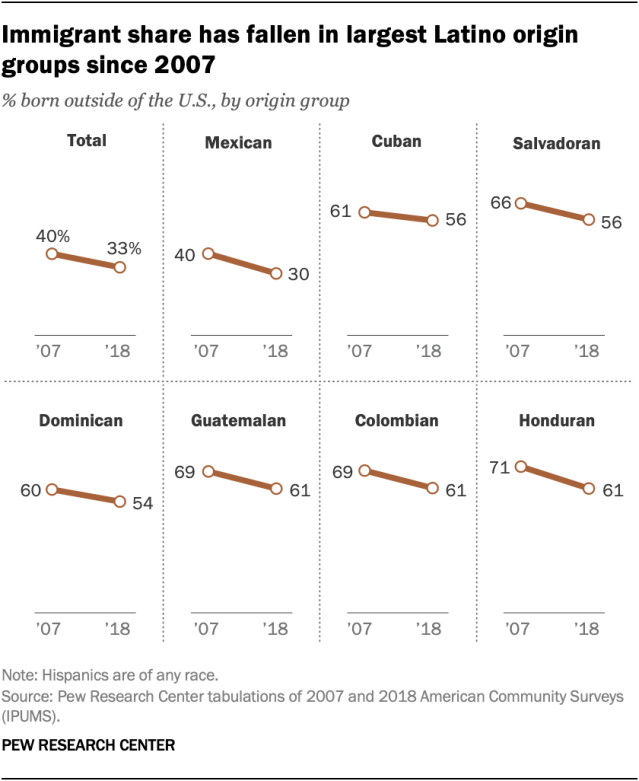
Immigrant share has fallen in largest Latino origin groups since 2007

The share of U.S. Latinos who are immigrants is on the decline and varies by origin group. From 2007 to 2018, the number of Latino immigrants increased slightly, from 18.0 million to 19.8 million. But they made up a declining share of the Latino population – decreasing from 40% to 33% during this span as the number of U.S.-born Latinos increased and the arrival of new immigrants slowed.

Fewer than a third of Mexican-origin Latinos (30%) are foreign born. That’s far lower than the shares among the other major groups by population – Colombians (61%), Guatemalans (61%), Hondurans (61%), Salvadorans (56%), Cubans (56%) and Dominicans (54%). Each of these groups saw the immigrant share of their populations decline from 2007 to 2018. People born in Puerto Rico are U.S. citizens at birth.

A record 32 million Latinos are projected to be eligible to vote in 2020, up from 27.3 million in 2016. The 2020 election will mark the first time that Hispanics will be the largest racial and ethnic minority group in the electorate, accounting for just over 13% of eligible voters.

Five states are home to two-thirds of all Latino eligible voters in 2018. California (7.9 million) alone holds about a quarter of the U.S. Latino electorate. It is followed by Texas (5.6 million), Florida (3.1 million), New York (2.0 million) and Arizona (1.2 million).

U.S. Latinos make up 43% of eligible voters in New Mexico, the highest share for any state. This is followed by California (30%), Texas (30%), Arizona (24%) and Florida (20%).

quarter of Latino eligible voters are naturalized citizens. As of 2018, that amounted to 7.5 million Latino immigrants who are eligible to vote, more than any other racial or ethnic group.

Latinos are roughly half of immigrant eligible voters in Florida and Texas

Florida and Texas are home to the highest shares of Latinos among immigrant eligible voters. About 54% of naturalized citizens who are eligible voters in Florida are Latino, the highest in the nation. Texas (52%) is the only other state where Latinos make up at least half of immigrant eligible voters.

Nationally, U.S. Hispanics make up 34% of naturalized citizens who are eligible to vote.

Note: This is an update of a post originally published on Sept. 16, 2014.

Jens Manuel Krogstad  is a senior writer/editor focusing on Hispanics, immigration and demographics at Pew Research Center.

Wednesday, April 28, 2021

Texas Can Brag About Two New Seats in Congress, But It Should’ve Been Three

Texas Republicans could have gotten an extra, third seat in Congress had state lawmakers invested in getting folks to respond to the U.S. Census. Why? Because they're afraid of the demographic shifts and they don't like the idea of counting all residents who may not themselves be citizens even if it means that they could have won an extra seat in Congress. Never mind the added resources that counting them means. This is a party that lives in fear of its own denizens, where leaders live in fear of losing their incumbencies.

What's new? 

-Angela Valenzuela


Texas Can Brag About Two New Seats in Congress, But It Should’ve Been Three

State officials didn’t make an effort to count every Texan, falling short of the census numbers needed to run up the score on California and other states.

By Jonathan Tilove | April 27, 2021 | Texas Monthly


The first official results of the 2020 census are in—and Texas has plenty to brag about. It grew more than any other state over the last decade, according to figures released by the Census Bureau on Monday. There are now 29,145,505 Texans, though as I type this another thousand migrants are surely packing up their belongings in Los Angeles, Lucknow, and Leon. That’s up from 25 million in April 2010, an increase  of 15.9 percent, or four million—more than the total population of Oklahoma (which once again makes one wonder why UT has lost two-thirds of its football games against the Sooners over the past two decades). The only other states to exceed Texas’s population boom, in terms of percentage growth, were Utah (growing by 18.4 percent) and Idaho (17.3 percent).

In contrast, the United States grew by only 7.4 percent over the last decade, the slowest growth rate of any decade in the nation’s history, with the sole exception of the Great Depression decade of the 1930s, when the population grew by 7.3 percent.

Seven seats in the U.S. House of Representatives were reallocated, with only the Lone Star State adding more than one. (Quick refresher: every ten years, the census results are used to reapportion the 435 seats in the U.S. House among the fifty states. It’s a zero-sum game: fast-growing states tend to add representatives while shrinking states tend to lose them.) Texas will now have a 38-member delegation in Congress, bigger than those of the least-populous seventeen states combined. Add in the two Senate seats, and Texas will have a nice, round forty votes to bring to the Electoral College in the 2024 presidential election.

Sweeter still for some Texas partisans, the gain came partly at the expense of archrival California, the nation’s other mega-state. In the long view of history, if it’s possible to make that call so soon, this week’s biggest news may have been that California has peaked. For the first time in history, the Golden State is losing a congressional seat and an electoral vote (down to 52). Even though California added 2.3 million residents, increasing from 37.2 million to 39.5 million, its growth rate of 6.1 percent was weaker than those of Maryland, Massachusetts, Minnesota, and even Nebraska.

Still, there was an undercurrent of letdown for Texas because the gain of two seats fell short of forecasts. “Everybody was expecting Texas to gain three seats, Florida to gain two seats, and Arizona to gain one seat,” said William Frey, a Brookings Institution demographer. Instead, he said, “Florida ended up with one seat instead of two, Texas with two instead of three, and Arizona with nothing instead of one.” Another surprise: New York lost a seat and Minnesota kept one by the tiniest of margins. If New York had counted just 89 more of its residents it would have kept its 27-member delegation intact.

So what happened?

Texas fell about 190,000 residents short of gaining a second seat, according to Michael Li, a redistricting and voting rights expert at the Brennan Center for Justice in New York City, who formerly practiced law in Dallas. Li said there is an object lesson here for Texas. Minnesota has a storied civic culture. It had the highest census response rate of any state and enjoyed the highest voter turnout in 2020. New York invested heavily in a campaign to encourage census participation, without which it might have lost two seats.

Even though the Trump administration ultimately failed to add a citizenship question, Texas officials did little to assuage migrants’ fears.

Beyond political power, some $1.5 trillion in federal spending is keyed to census results. The George Washington Institute of Public Policy estimated that even a one percent undercount could cost Texas nearly $300 million a year. “I think there are a lot of people who are afraid of the demographic change that is taking place in Texas,” Li said, “and they would just rather not know.” It also rubs many Republicans raw to be counting people who are not citizens or legal residents for purposes of distributing power.

The next part of the process will be the most contentious. Later this year, state lawmakers will meet in Austin in a special session to draw new districts for themselves as well as congressional members. It’s a highly partisan process that will almost certainly produce a flurry of lawsuits from Democrats, voting rights groups, and racial minorities who will be at the mercy of ruthless GOP mapmakers. The Census Bureau says it will provide states by September 30 with the detailed data, including information on race, ethnicity, and voting age at the local level, needed for redistricting.

Earlier census estimates suggested that Hispanics, African Americans, and Asians account for almost 90 percent of Texas’s population growth. The Republicans who control the legislature must contend with those demographic facts when drawing new state legislative and congressional districts. But they’ve done so successfully in the past. For example, more Latinos live in the Dallas–Fort Worth area than in the state of Colorado, yet there is no Latino member of Congress from North Texas.

In an email on Monday, Democratic strategist Matt Angle, founder and director of the Lone Star Project, a PAC that works to promote Democratic fortunes in Texas, all but pleaded with Republicans to “do the right thing” by preserving congressional districts that give Black and Latino candidates a shot at winning.

All thirteen Texas congressional districts held by Democrats “should be preserved in some form, and then the two new seats certainly should be drawn probably as Latino seats, given the population growth.” That would still likely give Republicans 23 of the 38 seats, or 60 percent, which is more than the vote percentage that any Republican gets in a typical statewide election. “Any map that doesn’t net out 15 seats where minorities have the strongest voice is probably a violation of the Voting Rights Act,” Angle said. “I don’t think [Republicans] will concede to two Democratic seats. I fully expect them to violate the Voting Rights Act.”

In a state in which Republicans hold all the levers of power, and in a nation where Democrats control the U.S. House by just a six-vote margin, and Republican appointees to the Supreme Court have proven ready and willing to weaken the Voting Rights Act, there seems little chance of Republicans conceding anything. As Senator John Cornyn tweeted on Monday: “Texas will gain the most new seats in the U.S. House of Representatives under new Census numbers released Monday, while states in the Northeast and Midwest will lose seven seats, shifting some political clout to Republican strongholds before the 2022 midterms.”